Quick Answer
No official or fully reproducible best build exists in the launch window. What is verified: four classes with three talent trees each, hybrid weapon-and-skill combinations, unlimited late-game skill points, more than 1,000 weapon affixes, 2,400 weapon-granted skills, and fifteen armor sets per class. The closest copyable setup is the community-sourced Necromancer Bone Archer starter build.
Is there a best build in Shadow Dungeon yet?
Not in a form that can be honestly copied. Shadow Dungeon launched on August 26, 2026, and neither OO Cat nor the reviewed launch-period community sources have published a build with the complete record that a “best” claim requires: exact talent allocation, equipment, level, difficulty, and a repeatable test. Community build discussions exist, but they describe results without the full configuration, so they cannot be ranked against each other.
This page does what the current evidence supports. It explains the build systems OO Cat has officially confirmed, translates them into practical build-thinking for each class, and points to the one community-sourced setup that is documented well enough to copy. Nothing here invents skill names, point orders, or damage numbers that official sources do not provide.
What official sources confirm about building a character
These are the verified building blocks every Shadow Dungeon build is made from:
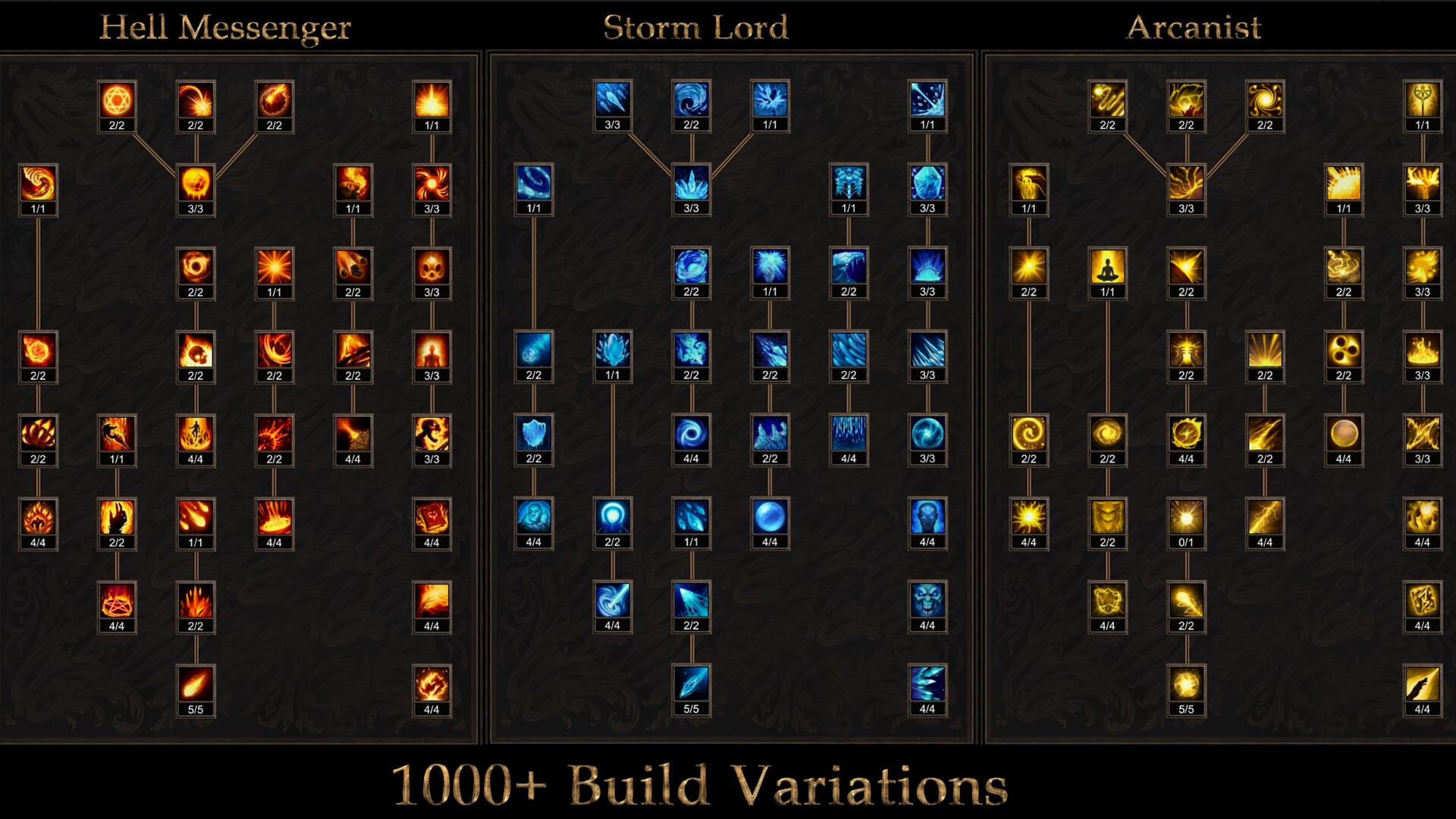
- Four classes, twelve talent trees, 370+ skills. The Steam store lists Sorcerer, Holy Warrior, Archer, and Necromancer across twelve talent trees. Each class therefore draws from three trees, and how you split points across them is the core of build planning.
- Hybrid builds are the official design. The store states that combining different weapons and skills creates your own hybrid builds and reveals your preferred playstyle. This confirms mixing within a class’s kit — it does not confirm borrowing another class’s talent tree.
- Unlimited skill points late in progression. Official copy says unlimited skill points enable advanced hybrid builds in late-game progression. Early choices still matter while leveling, but the endgame removes the point bottleneck.
- More than 1,000 weapon affixes in five categories. The full-release announcement divides them into Basic, Special, Negative Effects, Skills, and Summoning Skills. Weapon affixes are a build layer on top of talents, not a replacement for them.
- 2,400 weapon-granted skills. The announcement lists auras, trap launchers, skill conversions, projectile-blocking shields, combo launchers, and summoned-creature accessories among the new weapon-granted skill types. Your weapon can add skills your tree never grants.
- Fifteen armor sets per class. Most sets include affixes that alter skill forms, which makes set choice a build-defining decision. Exact set names, thresholds, and values are not yet published in official structured data; the set effects page tracks what is known.
- Runes tied to Greater Rifts. The full-release notes list 370 Talent Skill Runes, 6,800 Equipment Skill Runes, and 60 Attribute Runes as rift-exclusive content. Runes are an endgame build layer, not a leveling one.
- Level 100, Paragon, and four Greater Rift difficulties. Paragon Levels and a Paragon Talent Tree open at the cap, and Greater Rifts unlock after the story with Normal, Master, Nightmare, and Inferno tiers. Higher difficulties raise the chance of rare items and stronger weapon affixes, which changes what a late build looks for on gear.
Build directions for each class
The official class identities are the only class-specific facts that are fully verified. Use them to pick a direction, then fill the details from your own testing:
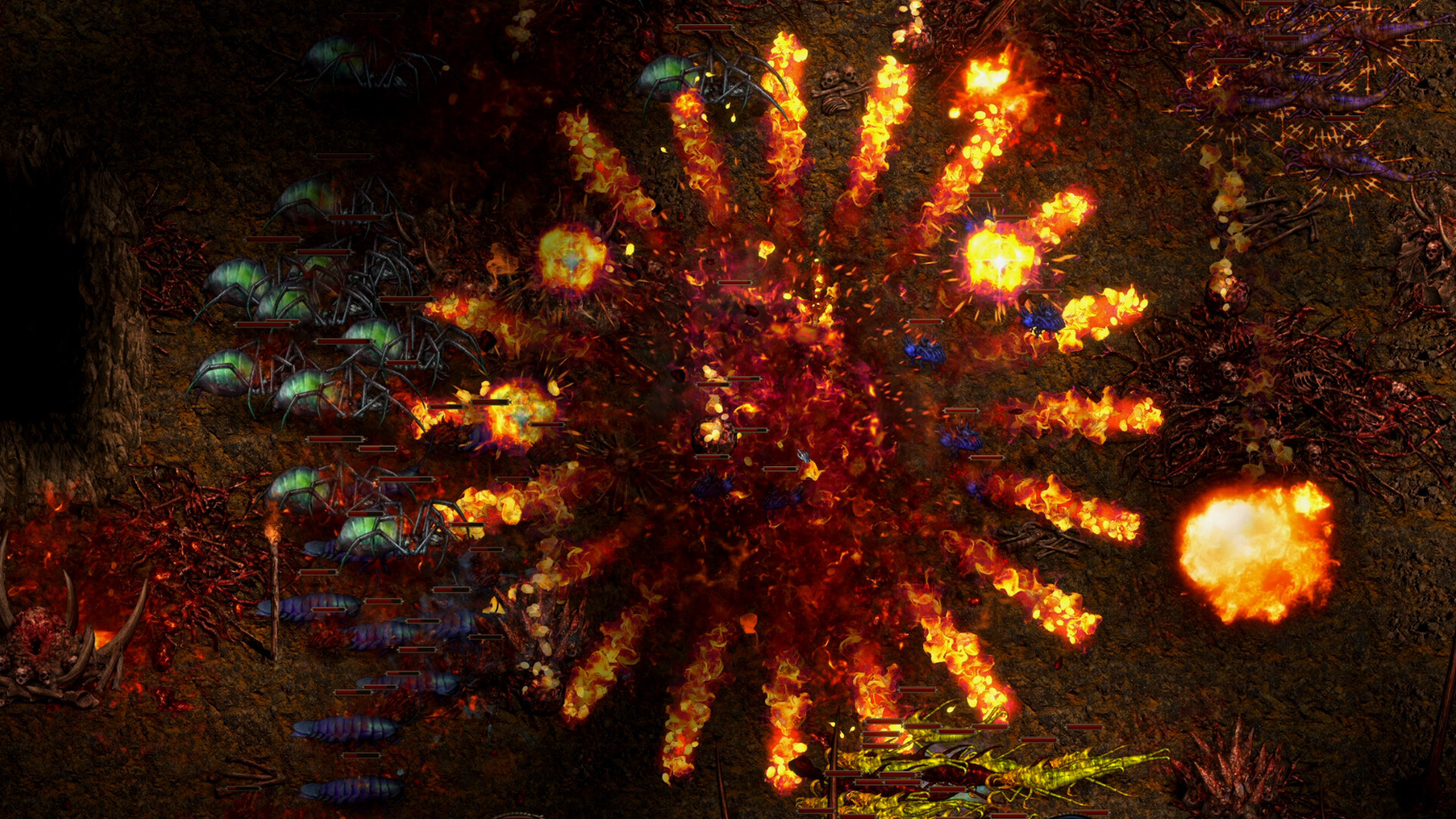
- Sorcerer (elemental magic). Plan around one or two elements and read every weapon-granted skill for elemental conversions, since the announcement confirms skill conversions exist. A build that spreads across all elements too early usually lacks the affixes to support any of them.
- Holy Warrior (dual blades). The melee identity favors affixes that keep you in contact range, such as shields that block enemy projectiles, which are confirmed weapon-granted skills. Treat survival as a build input, not an afterthought.
- Archer (deadly precision). Range and attack rhythm are the design anchor. Combo launchers and auras among the weapon-granted skills are the confirmed systems most likely to interact with a ranged setup.
- Necromancer (summons). Summoning Skills and Summoned Creature Accessories are confirmed affix and weapon-skill categories, giving summon builds the deepest official equipment support of the four classes.
For a fuller comparison of which class to start with, see the classes page. For the complete per-class framework and the exact rules this wiki uses before publishing any build, use the builds directory.
The closest copyable setup: Bone Archer starter
One launch-period setup is documented well enough to follow: the community-sourced Necromancer Bone Archer starter build. It invests in the Undead Emissary tree, maxes Bone Archer and its summon-count upgrade, supports the army with companion-damage talents, and stacks “Bone Archer has a chance to use skill…” trigger affixes across gear slots. The full talent priority, gear checklist, combat loop, and evidence boundary are published on the builds page.
It is presented there as a community-sourced leveling direction, not as an official or universal best build. If you want a concrete starting point today, copy it from the builds page and adapt it; if you want the strongest possible endgame setup, the evidence for that claim does not exist yet in any reviewed source.
How to judge a build before you copy it
Until tested tier lists appear, treat every build claim — including on this wiki — as a proposal to check:
- Note the date and patch context. Balance moved during the launch window, and a demo-era setup is not a full-release recommendation.
- Record your own class, level, talent split, active skills, weapon affixes, set pieces, and runes when a setup works for you.
- Separate story progression from Greater Rift testing. A build that clears Normal comfortably can still stall in Nightmare or Inferno, where affix and drop expectations differ.
- Change one layer at a time — talents, weapon, set, or runes — so you know which change produced the result.
- If your early allocation feels wrong, respec is a confirmed full-release mechanic; the respec guide explains what is and is not verified about resetting.
Builds, mods, and third-party tools
A build cannot be shortcut by tools. As of August 30, 2026, official sources do not document Steam Workshop support, mod tools, or an SDK for Shadow Dungeon, and this wiki does not host trainers or unknown downloads. Trainers and save editors also cannot produce a “best build” claim, because they bypass the gear and talent system the game actually balances around. The cheats, mods, and trainers page tracks the official support status and the safety checks that matter before touching any third-party tool.
 Primary sourceComplete Official Version ContentOO Cat via Steam · accessed August 30, 2026Read the original source →Image source: official Steam store artwork for app 4423580.
Update policy
This page is reviewed after every balance patch, talent-tree change, weapon-affix addition, or Greater Rift adjustment. When a build can be reproduced with a complete record — version, class, level, skills, gear, and test conditions — it graduates from this framework into the builds directory with full credit and limits. Until then, unverified fields stay unverified instead of being filled with guesses.