Quick Answer
For a first character, launch-week media most often favors Holy Warrior for easier handling or Necromancer for a flexible summon army. Choose Sorcerer for elemental magic and Archer for ranged precision. These are dated editorial recommendations, not an official or permanent tier list.
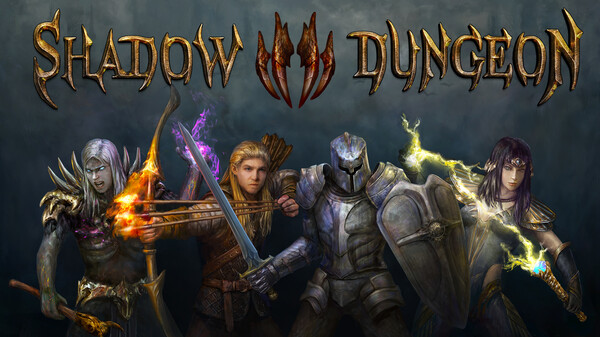
All Shadow Dungeon classes
OO Cat’s Steam store lists four playable characters and twelve talent trees. The official class identities are Sorcerer for elemental magic, Holy Warrior for dual blades, Archer for deadly precision, and Necromancer for summoning demons and skeletons. These identities are the reliable starting point for choosing a class because they come directly from the game’s official page.
This collection uses one card per launch class and links every card to a complete section on the same page. Official names and identities stay separate from launch-week editorial recommendations. Exact talent-tree names, full skill lists, damage values, and unlock conditions are not yet published as a complete official table.
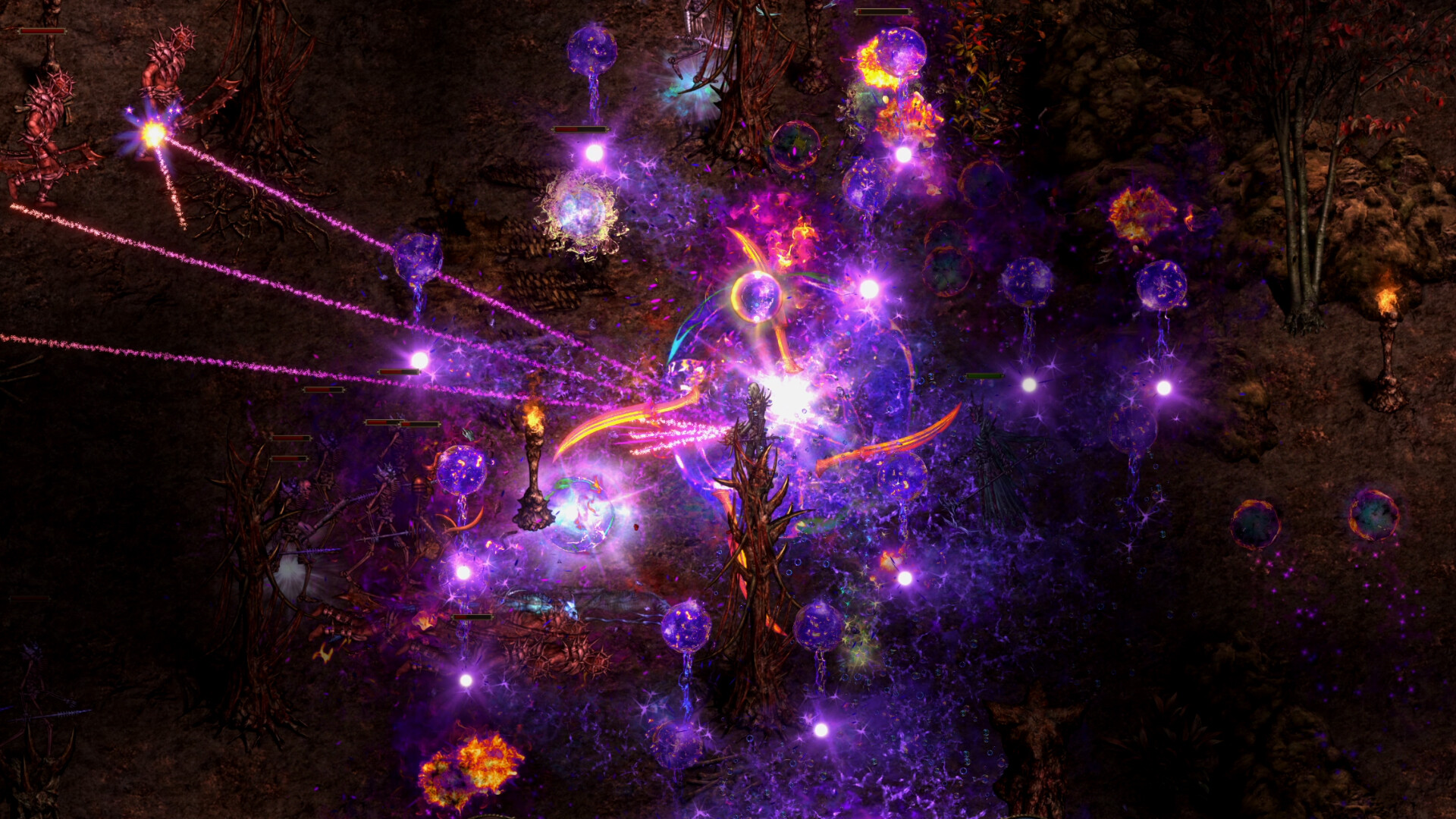 Elemental magicSorcererChoose the official elemental-magic class when spell variety matters most; one launch-week tier list ranks it first.Read this section →
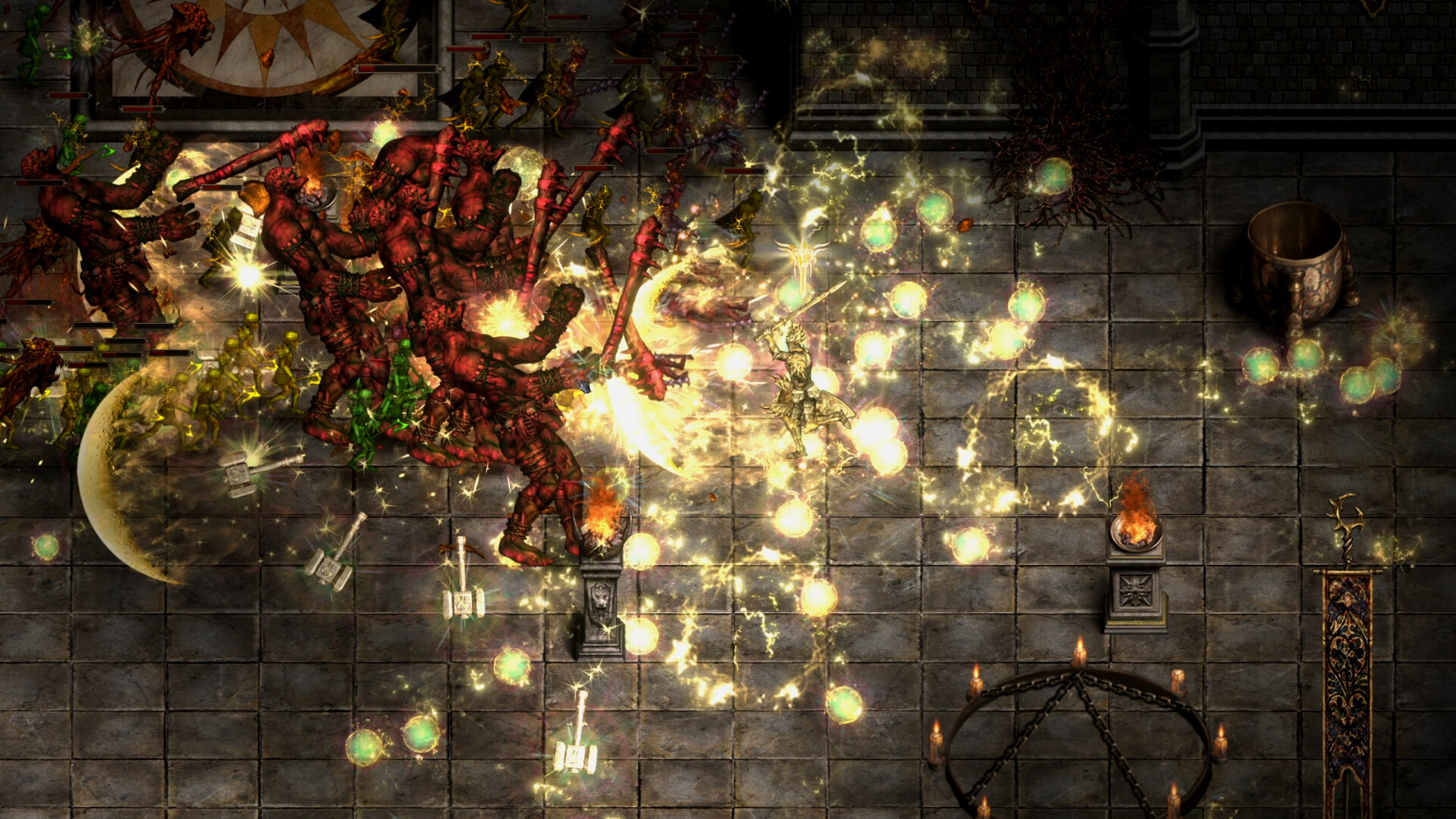 Beginner-leaningHoly WarriorThe official dual-blade class and the clearest launch-week media choice for a straightforward first character.Read this section →
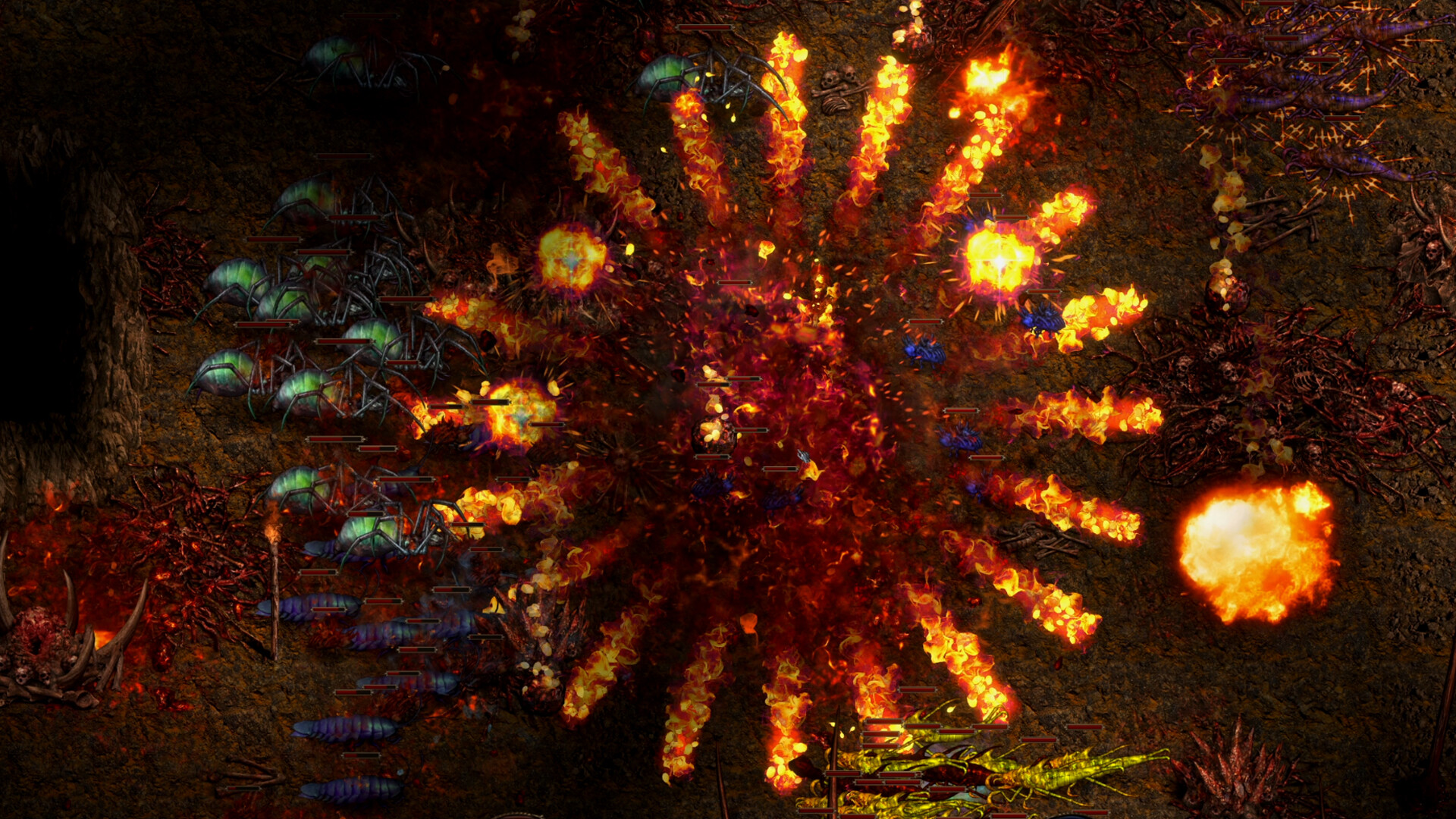 Ranged precisionArcherChoose the official precision class for a range-focused character rather than a settled endgame ranking.Read this section →
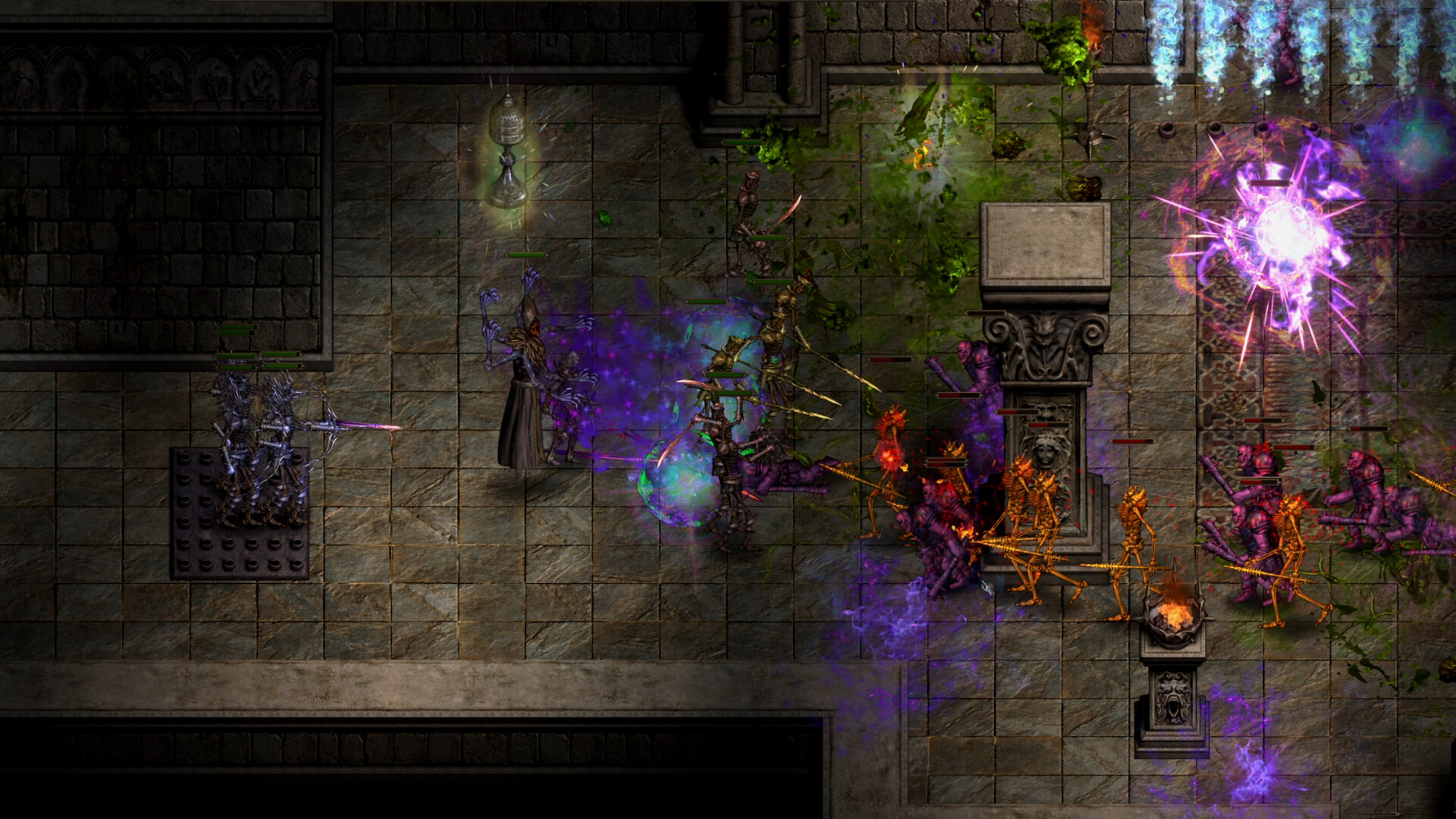 Media favoriteNecromancerThe official summoning class and the strongest shared launch-week media recommendation for a lower-input army playstyle.Read this section →
Best class comparison
There is no official best-class ranking, but that does not prevent a useful launch-window recommendation. Destructoid and Last Word on Gaming both lean toward Necromancer and describe Paladin—the media name used for Holy Warrior—as easier to learn. A separate independent tier list ranks Sorcerer first, showing that release-week opinion is not settled.
Choose by first-character priority
Launch-week class picks
| Player priority | Pick | Why | Evidence limit |
|---|---|---|---|
| Simpler first character | Holy Warrior | Two launch-week media sources describe the Paladin / Holy Warrior direction as easier to handle. | Media recommendation, not an official difficulty rating. |
| Summons and flexible positioning | Necromancer | Two media sources favor its summon army, and a copyable Bone Archer starter build is available. | No equal-condition Greater Rift test across all four classes. |
| Elemental spellcasting | Sorcerer | Elemental magic is official, and one independent version-1.0.1 tier list ranks Sorcerer first. | That ranking conflicts with the Necromancer-leaning media view. |
| Ranged precision | Archer | Precision is official, while launch coverage describes a range-focused playstyle. | No standardized survivability or clear-speed comparison is published. |
The practical launch recommendation is therefore conditional: Holy Warrior for a simpler first character, Necromancer for summoning and the strongest shared media support, Sorcerer for elemental spellcasting, and Archer for ranged precision. Build systems, equipment, player execution, and balance patches can change the order.
Mage / Sorcerer — Elements, Strengths and Playstyle
The official English Steam store calls this class **Sorcerer** and describes it as mastering elemental magic. “Mage” is retained in this heading because players and some media use it as a search term, not because the official source documents two separate launch classes. The site should use Sorcerer in navigation and data labels.
Choose Sorcerer when elemental spellcasting is the main reason to play. One independent version-1.0.1 tier list ranks it in S tier, but the launch-week media sources used elsewhere on this page favor Necromancer. Treat Sorcerer as the clear magic choice, not a universally proven strongest class.
Holy Warrior — Dual-Blade Identity
OO Cat names the class Holy Warrior and defines it through dual blades. Some third-party pages use Paladin, but the official Steam name takes precedence on this wiki. Destructoid calls Paladin the most beginner-friendly class, while Last Word on Gaming describes it as easier to handle and master.
That agreement makes Holy Warrior the clearest launch-week first-character recommendation for players who want direct melee combat. It does not prove the class is the strongest melee option, a dedicated tank, or the best Greater Rift class.
Archer — Precision Identity
The official class is Archer, described through deadly precision. Third-party use of Ranger does not replace the Steam naming. Destructoid’s launch-week list describes it as the greatest-range option, but no official source publishes a range value, projectile rule, or attack-speed target.
Choose Archer when ranged precision is the priority. Current evidence is sufficient for that playstyle recommendation but not for a claim that Archer has the safest clear, fastest leveling, or strongest late-game damage.
Necromancer — Summons, Strengths and Playstyle
Necromancer is an official launch class whose defining action is summoning demons and skeletons. The full-release equipment systems also include Summoning Skills, Summoned Creature Accessories, and Summoned Creature Attacks with Additional Skills. These facts support a rich summoning identity without establishing any specific minion skill name or summon limit.
Destructoid places Necromancer in its top tier, and Last Word on Gaming calls it potentially the best of the four. That shared launch-week media preference makes it the strongest current editorial recommendation for players who want summons and flexible positioning, without turning the opinion into an official rank.
Players who choose it can continue with the copyable Bone Archer starter build. Minion AI, equal-condition boss results, and Greater Rift performance still need version-labeled testing.
Subclasses and Talent Trees Explained
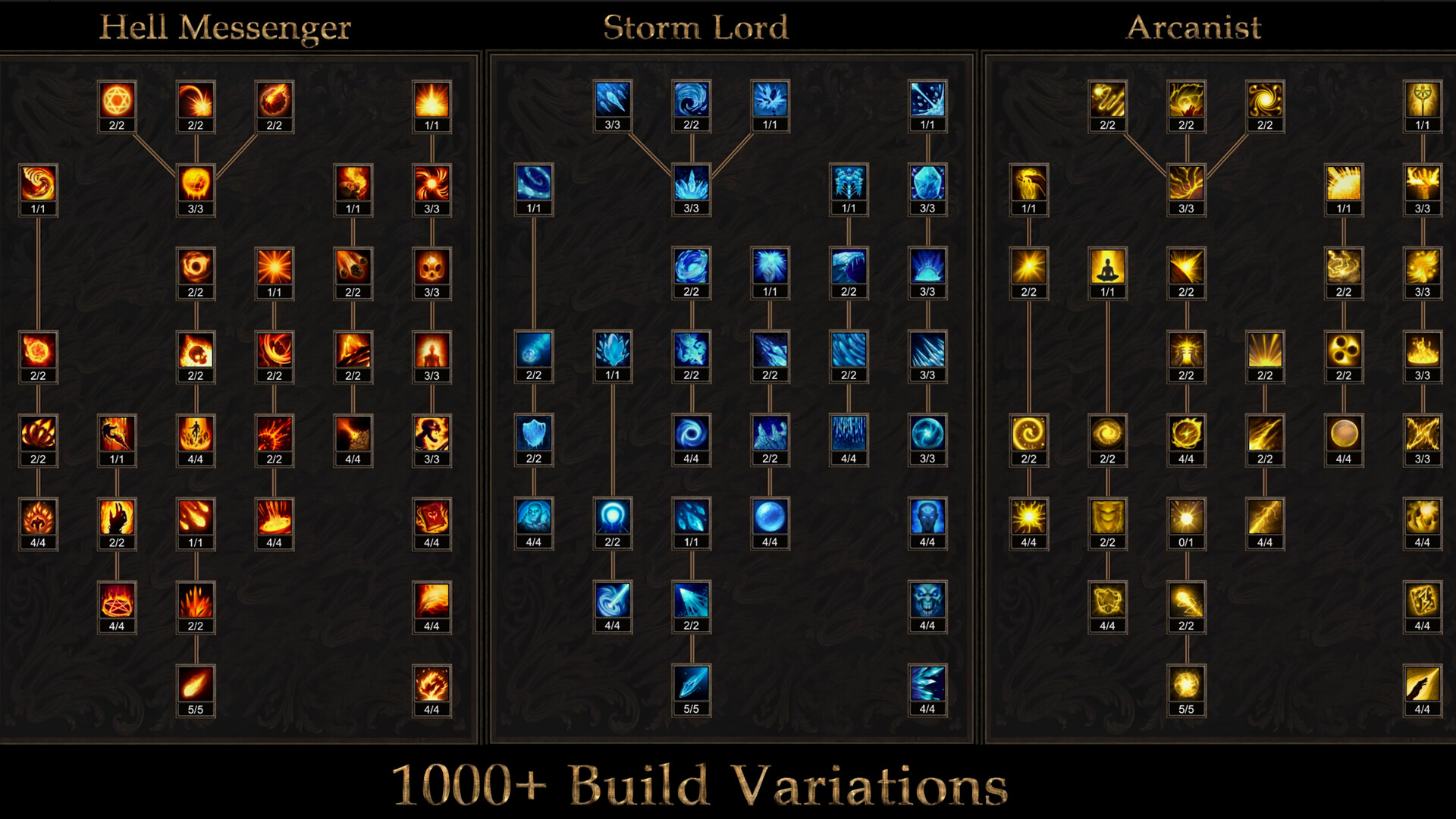
Official pages use the term **talent tree**, not subclass. They confirm four classes and twelve talent trees, but the current P0 text does not publish all twelve names or call them fixed subclasses. Searchers asking about Shadow Dungeon subclasses should therefore read “talent-tree paths” rather than assume a separate class-advancement system.
The official total implies a broad set of class-specific progression choices, while late-game unlimited points support hybrid experimentation. It does not prove that a character can take another base class’s trees or change the original class; no reviewed official source publishes cross-class access or class-change rules.
After level 100, OO Cat confirms Paragon Levels and a Paragon Talent Tree that further enhances attributes. This is an additional progression layer, not a fifth launch class or a documented subclass. Whether Paragon is character-specific, shared, or resettable remains unresolved.
Official sources and media
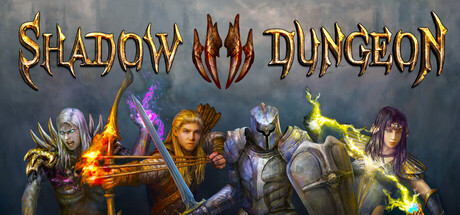 Primary sourceShadow Dungeon on SteamOO Cat via Steam · accessed August 30, 2026Read the original source →Image source: official Steam store artwork for app 4423580.
Review this page after every class, talent-tree, equipment, or balance update. Planned future classes should not be mixed into the launch comparison until OO Cat publishes their release details. Rankings remain dated editorial judgments unless a reproducible test supports them.